Are Korean Skin Clinics Cheaper Than the US?
Are Korean Skin Clinics Cheaper Than the US?
Yes, in most cases Korean skin clinics are significantly cheaper than those in the United States, especially for common aesthetic procedures like Botox, laser treatments, skin boosters, and non-surgical lifting. The difference is not just in pricing, but also in how treatments are structured, how frequently they are performed, and the overall clinic system.
Overall Cost Comparison (Korea vs US)
In general:
- Korea: lower per-treatment cost, more package-based pricing
- US: higher per-treatment cost, more per-unit billing structure
- Korea often offers combination treatments at bundled rates
- US clinics tend to charge separately for each component
Across most cosmetic dermatology procedures, Korea can be 30% to 70% cheaper.
Botox Cost Comparison
Botox is one of the clearest examples of price differences.
Korea:
- ₩20,000 – ₩150,000 per area
- Jaw Botox: ₩80,000 – ₩350,000
United States:
- $300 – $800 per area (≈ ₩400,000 – ₩1,100,000)
- Jaw Botox: $600 – $1,500+ (≈ ₩800,000 – ₩2,000,000+)
Korea is often 3–5 times cheaper for similar treatments.
Laser Treatment Cost Comparison
Laser procedures also show a large gap.
Korea:
- Laser Toning: ₩30,000 – ₩150,000 per session
- Pico Laser: ₩100,000 – ₩300,000 per session
United States:
- $200 – $600 per session (≈ ₩270,000 – ₩800,000)
- Pico Laser: $500 – $1,500 per session (≈ ₩700,000 – ₩2,000,000)
Korea offers much lower per-session pricing, especially for multi-session programs.
Skin Booster Cost Comparison
Skin boosters are extremely popular in Korea and much more affordable.
Korea:
- Rejuran: ₩250,000 – ₩800,000
- Juvelook: ₩300,000 – ₩600,000
- Skinvive: ₩200,000 – ₩700,000
United States:
- Skin boosters: $600 – $2,000+ (≈ ₩800,000 – ₩2,700,000+)
- Regenerative injectables often priced individually per syringe
Korea generally offers broader availability at lower cost per session.
Lifting Treatment Cost Comparison
Non-surgical lifting shows one of the biggest price gaps.
Korea:
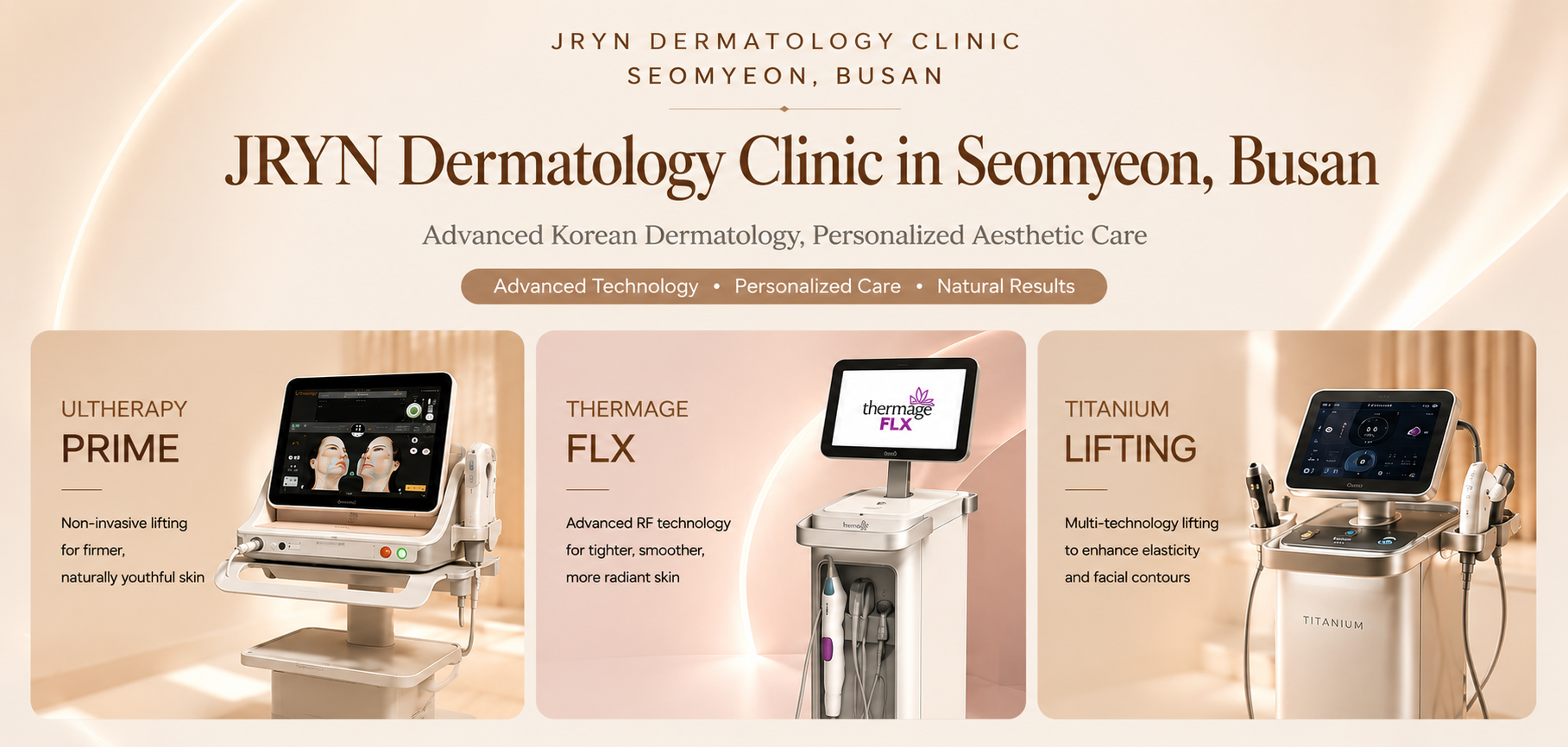
- Thermage: ₩1,200,000 – ₩4,500,000
- Ultherapy: ₩1,000,000 – ₩3,500,000
United States:
- Thermage: $3,000 – $7,000+ (≈ ₩4,000,000 – ₩9,000,000+)
- Ultherapy: $2,500 – $6,000+ (≈ ₩3,300,000 – ₩8,000,000+)
Korea is typically 40%–60% cheaper for lifting procedures.
Why Korea Is Cheaper
Several structural reasons explain the difference:
- High competition among clinics
- Large number of dermatology centers
- Lower operational and staffing costs
- High patient volume and efficiency systems
- Government-regulated medical pricing environment
- Strong focus on repeat treatments and packages
US clinics tend to operate with higher overhead and more individualized billing.
Differences in Treatment Style
Beyond price, there are system differences:
Korea
- Package-based treatment programs
- Combination therapies (laser + booster + lifting)
- Frequent maintenance treatments
- High-speed clinical workflow
United States
- Per-procedure billing
- More conservative treatment frequency
- Longer consultation sessions
- Higher customization per visit
Are Results the Same?
In most cases:
- Technology used is often similar (Thermage, Ultherapy, Pico lasers)
- Medical standards in top clinics are high in both countries
- Results depend more on practitioner skill than location
- Korea often emphasizes gradual improvement and combination therapy
When the US May Be More Expensive (But Preferred)
Some patients still choose US clinics for:
- Highly specialized dermatologists
- Complex medical skin conditions
- Insurance-covered procedures (in some cases)
- Longer follow-up care systems
Final thoughts
Korean skin clinics are generally much more affordable than those in the United States, often costing 30% to 70% less depending on the procedure. Treatments like Botox, laser toning, skin boosters, and lifting procedures are significantly cheaper in Korea due to high competition, efficient clinic systems, and package-based pricing models. While both countries offer high-quality medical standards, Korea stands out for its cost efficiency and combination-focused aesthetic treatment approach.