Best Non-Surgical Treatments for Jowls

The best non-surgical treatments for jowls are usually a combination of energy-based skin tightening (such as HIFU or radiofrequency), carefully placed dermal fillers to restore lost support, and in some cases thread lifts or injectable fat reduction. No single option works for everyone. Mild to moderate jowls often respond well to these approaches, while heavy, very loose skin is usually better addressed with surgery. The right plan depends on what is actually causing your jowls: loose skin, lost volume, extra fat, or a mix of all three.
This guide explains why jowls form, how each treatment works, what results are realistic and how to choose a sensible plan.
Why Jowls Develop
Jowls are the soft sagging that appears along the lower jaw, blurring the line between the cheek and the neck. They rarely have a single cause. Common contributors include:
- Loss of skin elasticity: collagen and elastin decline with age, sun exposure and smoking, so skin stretches and droops more easily.
- Volume loss in the midface: as fat pads in the cheeks shrink and descend, tissue slides downward and collects near the jaw.
- Bone changes: the jaw and chin bones gradually lose some volume, reducing the framework that holds skin up.
- Fat in the lower face: some people carry extra fat along the jawline, which makes sagging look heavier.
- Genetics and weight changes: family traits and significant weight loss or gain play a large role.
A good assessment identifies which of these factors matter most for you, because each one points toward a different treatment.
Energy-Based Skin Tightening
Energy-based devices heat tissue under the skin to trigger a healing response and stimulate new collagen. Over the following months, the skin can become firmer and slightly lifted.
HIFU (high-intensity focused ultrasound)
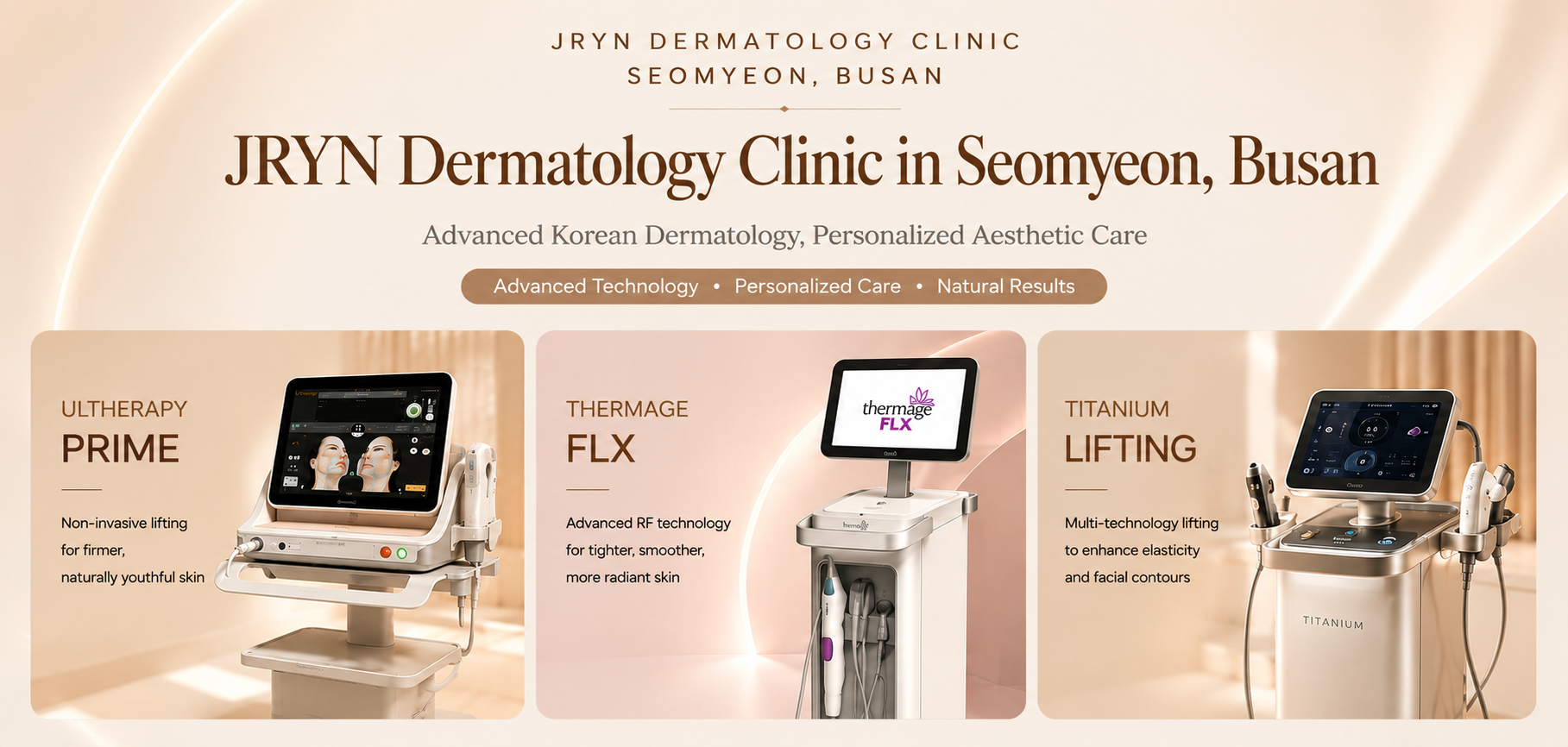
HIFU devices such as Ultherapy and similar systems deliver focused ultrasound to deeper layers, including the SMAS, the same supportive layer surgeons work on during a facelift. HIFU is often chosen for mild jowling and early laxity along the jawline. Results build gradually over two to three months.
Monopolar radiofrequency
Devices such as Thermage heat the skin more broadly to improve firmness and texture. Radiofrequency is often combined with HIFU, since the two work at different depths.
Radiofrequency microneedling
This uses fine needles to deliver heat into the dermis. It can help with skin quality and mild laxity, and is sometimes used for the lower face and neck.
Energy-based treatments tend to give subtle to moderate improvement. They are best for people with early sagging and reasonable skin quality, and they usually need maintenance over time.
Dermal Fillers for Structural Support
It may seem odd to treat sagging by adding volume, but fillers can be very effective for jowls when used strategically. Instead of filling the jowl itself, which can make it heavier, practitioners typically place filler in areas that support the lower face:
- Cheeks: restoring midface volume can lift tissue slightly and reduce the downward pull toward the jaw.
- Pre-jowl sulcus: the hollow just in front of the jowl can be softened so the jawline looks more continuous.
- Jawline and chin: firmer hyaluronic acid fillers can sharpen the jaw angle and add projection, which visually tightens the area.
Hyaluronic acid fillers are the most common choice because they are reversible with an enzyme if needed. Biostimulatory fillers, such as those based on calcium hydroxylapatite or poly-L-lactic acid, are sometimes used to encourage collagen over time. Overfilling is a real risk, so an experienced injector should aim for balance rather than maximum volume.
Thread Lifts
A thread lift uses dissolvable threads, often made of PDO, PLLA or PCL, inserted under the skin with a fine needle or cannula. Threads with small barbs or cones grip the tissue and reposition it, giving an immediate lifting effect along the jaw. Over the following months the threads dissolve and stimulate some collagen around them.
Thread lifts can offer a more visible lift than devices alone, but the effect is temporary, commonly lasting somewhere between several months and around a year or more depending on thread type and individual factors. Temporary swelling, tenderness and minor dimpling are common in the first days to weeks.
Reducing Fat Along the Jaw
If extra fat contributes to heaviness, reducing it can make the jawline look sharper. Options include:
- Fat-dissolving injections: deoxycholic acid-based injectables can reduce small pockets of fat under the chin and near the jowls, usually over several sessions.
- Cryolipolysis for the submental area: cooling devices can reduce fat under the chin.
Fat reduction must be done carefully. Removing too much fat in someone with loose skin can make sagging look worse. This is why assessment matters.
Combining Treatments for Better Results
Because jowls usually have several causes, combination plans often produce the most natural results. A typical approach might involve:
- Skin tightening with HIFU or radiofrequency to improve firmness.
- Filler in the cheeks, chin or pre-jowl area to restore support.
- Botulinum toxin in the platysma (neck) muscle in selected people, sometimes called a Nefertiti lift, to reduce downward pull on the jawline.
- Thread lifting for those who want more immediate repositioning.
Treatments may be done on the same day or spaced out, depending on the plan and your schedule. In Korea, many clinics offer several of these options under one roof, which can be convenient for visitors with limited time.
Realistic Expectations and When to Consider Surgery
Non-surgical treatments can soften jowls, improve skin quality and make the jawline look cleaner. They cannot fully replicate the result of a facelift or neck lift. If you have significant skin excess, deep folds or very heavy jowls, a surgical consultation may be more honest and cost-effective in the long run.
Signs that non-surgical options may be a good fit include mild to moderate sagging, good skin quality, and a preference for gradual change with little downtime.
Practical Tips for Travelers
- Allow time for swelling to settle, especially after fillers or threads, before flying or attending events.
- HIFU and radiofrequency results develop over weeks to months, so you will not see the final result during a short stay.
- Bring a list of any previous treatments, including filler types and dates, to help your doctor plan safely.
- Avoid strenuous exercise, saunas and alcohol for a short period after injectables or threads, as advised by your clinic.
Frequently Asked Questions
Can jowls be completely removed without surgery?
Mild jowls can be improved significantly, but complete removal of moderate to severe jowls usually requires surgery. Non-surgical options aim for softening and support.
How long do non-surgical jowl results last?
It varies by treatment. Energy-based tightening often lasts around a year, hyaluronic acid fillers commonly last many months to over a year, and thread lifts vary widely. Maintenance is normal.
Is HIFU or filler better for jowls?
They address different problems. HIFU targets laxity, while filler restores structural support. Many people benefit from both.
Is there downtime?
Most options involve little downtime, but swelling, redness or mild bruising for a few days is common, particularly after injections or threads.
Speak With a Qualified Dermatologist
Jowls are a common concern, and there are several effective non-surgical ways to improve them. The best results come from an accurate diagnosis of what is causing your sagging and a plan tailored to your face. A qualified dermatologist can assess your skin, discuss realistic outcomes and recommend the treatments that suit you best.