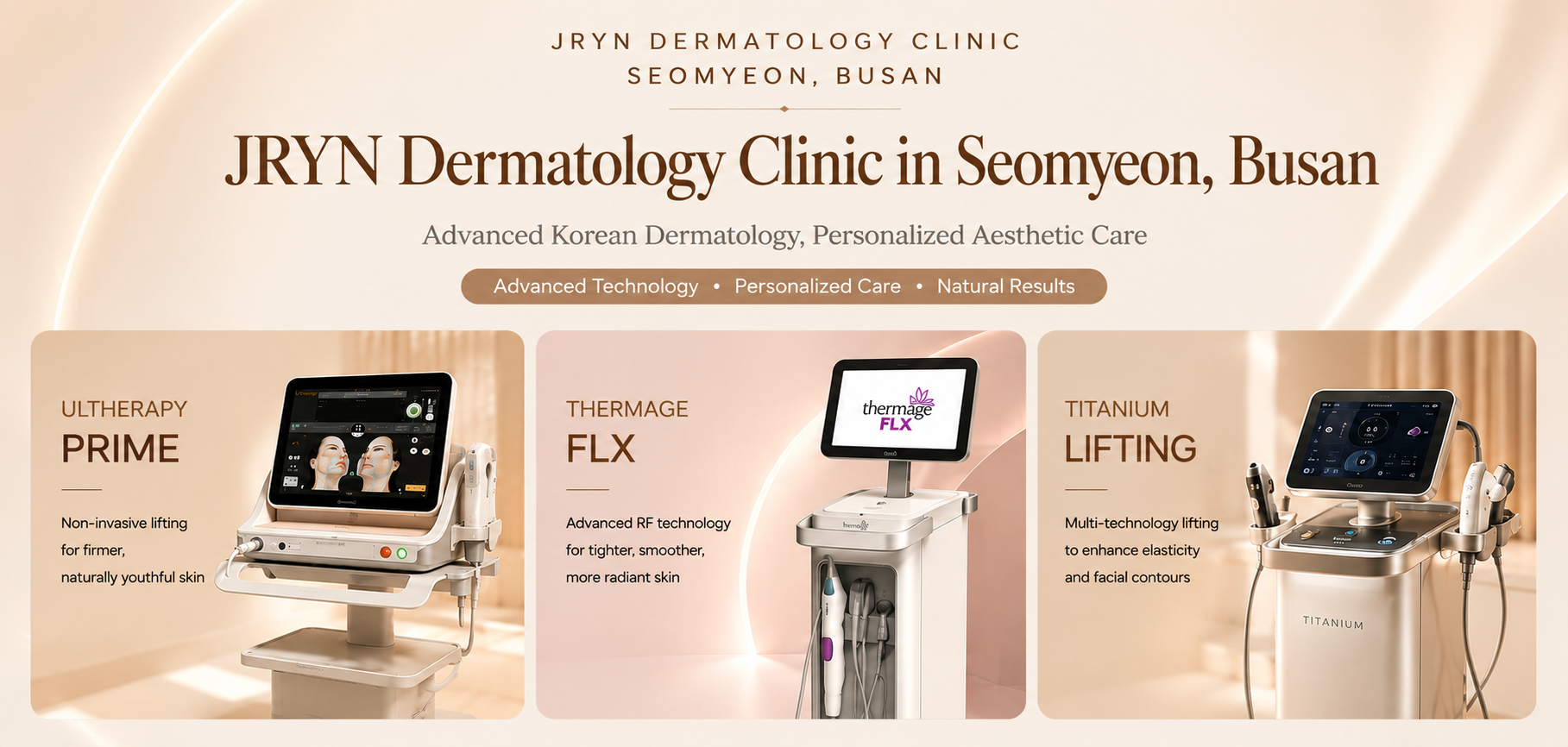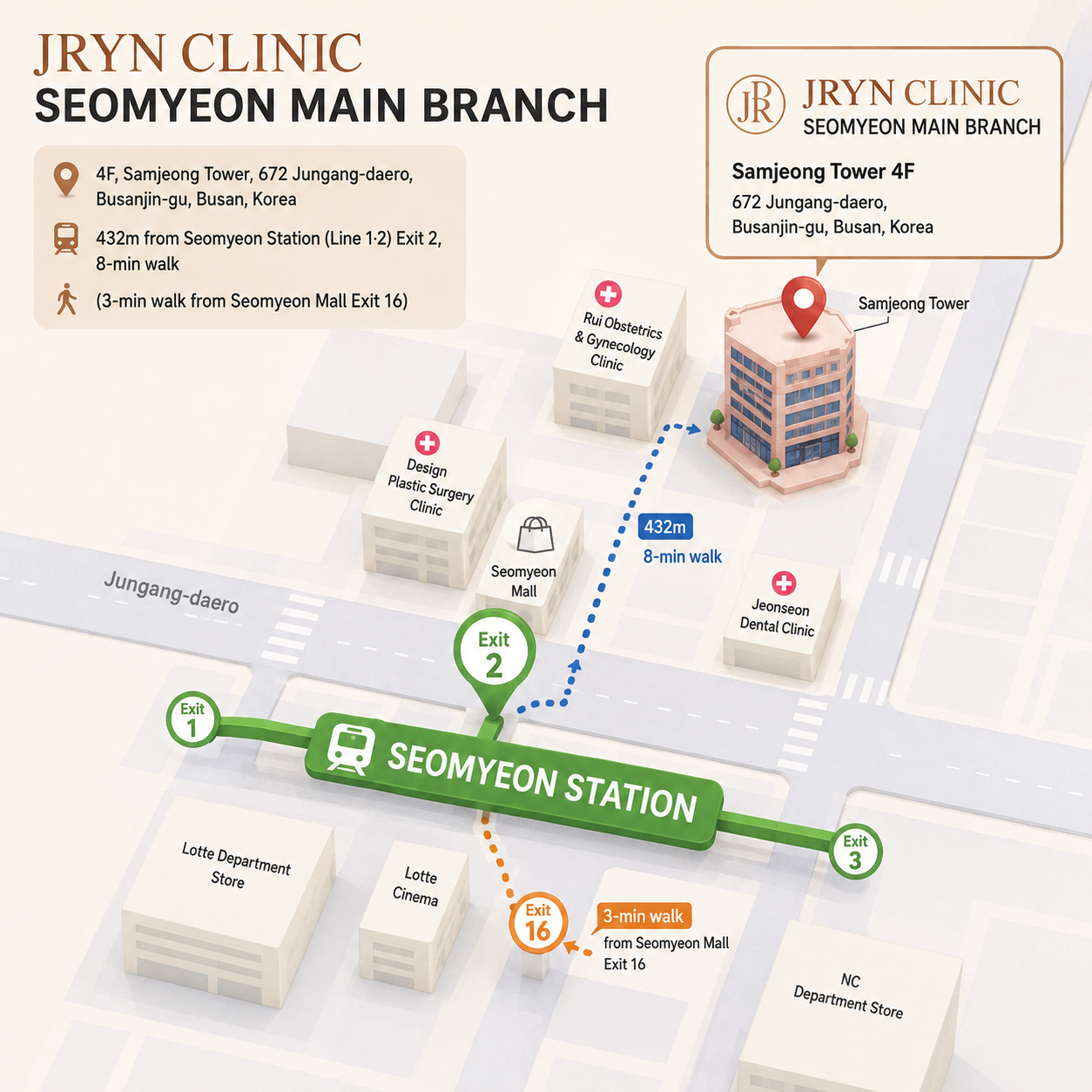
Can You Combine Ultherapy and Thermage in One Visit?

Yes, Ultherapy and Thermage can be combined in one visit, and this pairing is commonly offered, particularly in Korea. The two devices work differently: Ultherapy uses focused ultrasound to reach deeper supporting layers for lifting, while Thermage uses monopolar radiofrequency to tighten and smooth the skin itself. Doing both on the same day is generally considered safe when planned by an experienced doctor, who adjusts energy, depth and treatment areas to your face. It is not the right choice for everyone, though, and the benefits depend on your skin, facial fat and goals.
This article explains how the combination works, who it suits, what the visit involves and what to watch out for.
Why These Two Devices Complement Each Other
Facial ageing happens at several levels at once. The deeper supporting tissue loosens, while the skin on top becomes thinner and less firm. One device rarely addresses all of these changes equally.
- Ultherapy delivers micro-focused ultrasound to precise depths, including the SMAS layer, aiming for lift along the brow, cheeks, jawline and under the chin.
- Thermage delivers radiofrequency heat more broadly through the dermis, aiming for smoother, firmer skin with improved texture and fine lines.
Because one works deeper and more focally, and the other more superficially and evenly, combining them is sometimes described as treating "from the inside out". The idea is sound, though large comparative studies of the combination are limited, so much of the support comes from clinical experience.
Who Is a Good Candidate?
The combination tends to suit people who have both mild to moderate sagging and declining skin quality. Typical candidates include:
- Adults, often in their late thirties and beyond, with early jowls or a softening jawline.
- People who notice both looseness and crepey or less elastic skin.
- Those who want gradual, natural improvement without surgery or long downtime.
- Visitors with limited time who prefer to complete treatment in a single trip.
It may be less suitable for people with very thin faces and little facial fat, those with significant skin excess better treated surgically, or anyone who is pregnant or has certain implanted devices, active skin infections or specific medical conditions. Your doctor will review your history.
What a Combined Session Looks Like
- Consultation and mapping: the doctor examines your face, discusses goals and marks treatment zones.
- Cleansing and numbing: numbing cream is commonly applied, and some clinics offer additional comfort measures.
- Ultherapy first: many practitioners start with ultrasound for the deeper layers, focusing on the lower face, jawline and areas that need lifting.
- Thermage second: radiofrequency is then applied across the face, and sometimes the eyes or neck, to tighten the skin surface.
- Aftercare: soothing products and sunscreen are applied, and you receive home-care instructions.
The order can vary between clinics, and some doctors prefer the reverse sequence. Total time is often a couple of hours, including numbing.
Benefits of Doing Both Together
- Convenience: one appointment and one recovery period, which suits travelers.
- Broader effect: lifting and skin tightening are addressed at the same time.
- Aligned timeline: collagen remodeling from both treatments develops over the same months, so results build together.
Risks and Things to Consider
Both treatments are generally well tolerated, but combining them increases the total heat delivered to the face. Possible side effects include:
- Redness, swelling and tenderness lasting hours to a few days.
- Temporary bruising, small welts or patches of numbness.
- Rarely, burns, blisters or nerve irritation if settings are too high or technique is poor.
- Concern about volume loss in already slim faces if deep treatment is overly aggressive.
The discomfort of a combined session is also greater than either treatment alone. Discuss pain management in advance and let the practitioner know if anything feels too intense during treatment.
Confirm with your clinic that genuine devices and authentic tips or cartridges are being used. In a busy market, this is a reasonable question to ask any provider.
Recovery and Results Timeline
First few days
Mild swelling, redness and tenderness are common. Most people return to normal activities quickly, though you may prefer a quiet day afterwards.
First month
Some people notice slight tightening early on, partly from swelling and initial collagen contraction. Sensitivity along the jaw may linger for a few weeks.
Two to six months
This is when gradual collagen remodeling typically produces the most visible improvement in firmness and lift.
Longer term
Results commonly last around a year or more, varying with age, lifestyle and skin condition. Many people repeat treatment annually.
Practical Advice for Visitors to Korea
- Schedule the treatment early in your trip so you can attend any follow-up and recover comfortably.
- Avoid booking important photos or events in the first few days if you tend to swell.
- Flying shortly after is generally fine, but stay hydrated and use sunscreen.
- Tell your doctor about recent fillers, threads or other procedures, since timing may need adjusting.
- Avoid saunas, intense heat and strong active skincare for a few days unless advised otherwise.
Frequently Asked Questions
Is it better to space Ultherapy and Thermage apart?
Both approaches are used. Same-day treatment is convenient, while spacing them a few weeks apart can make each session more comfortable. Your doctor can advise.
Can I add Botox or filler on the same day?
Often yes, but many practitioners prefer to perform energy treatments first and injectables afterwards, or on a different day, to avoid heat affecting fresh product.
How long until I see the full result?
Most people see the main improvement around two to three months, with continued subtle change up to about six months.
Will it hurt a lot?
It can be uncomfortable, especially over bony areas. Numbing, energy adjustments and breaks help most people tolerate it.
Talk to a Dermatologist First
Combining Ultherapy and Thermage in one visit is a popular and generally safe way to address both lifting and skin quality, provided it is carefully planned. Because results depend so much on your anatomy and skin, a consultation with a qualified dermatologist is the best way to find out whether this combination suits you.