Korea vs Hong Kong Skin Clinics
Korea vs Hong Kong Skin Clinics
Korea and Hong Kong both have strong cosmetic dermatology industries, but the clinic experience is quite different. Korea is known for its large-scale aesthetic medicine ecosystem with highly competitive pricing, while Hong Kong focuses more on premium medical aesthetics with stricter consultation structures and higher overall costs.
Overview of the Skin Clinic Market
Both locations offer:
- Laser skin rejuvenation
- Acne and acne scar treatments
- Botox and fillers
- Skin boosters and collagen stimulators
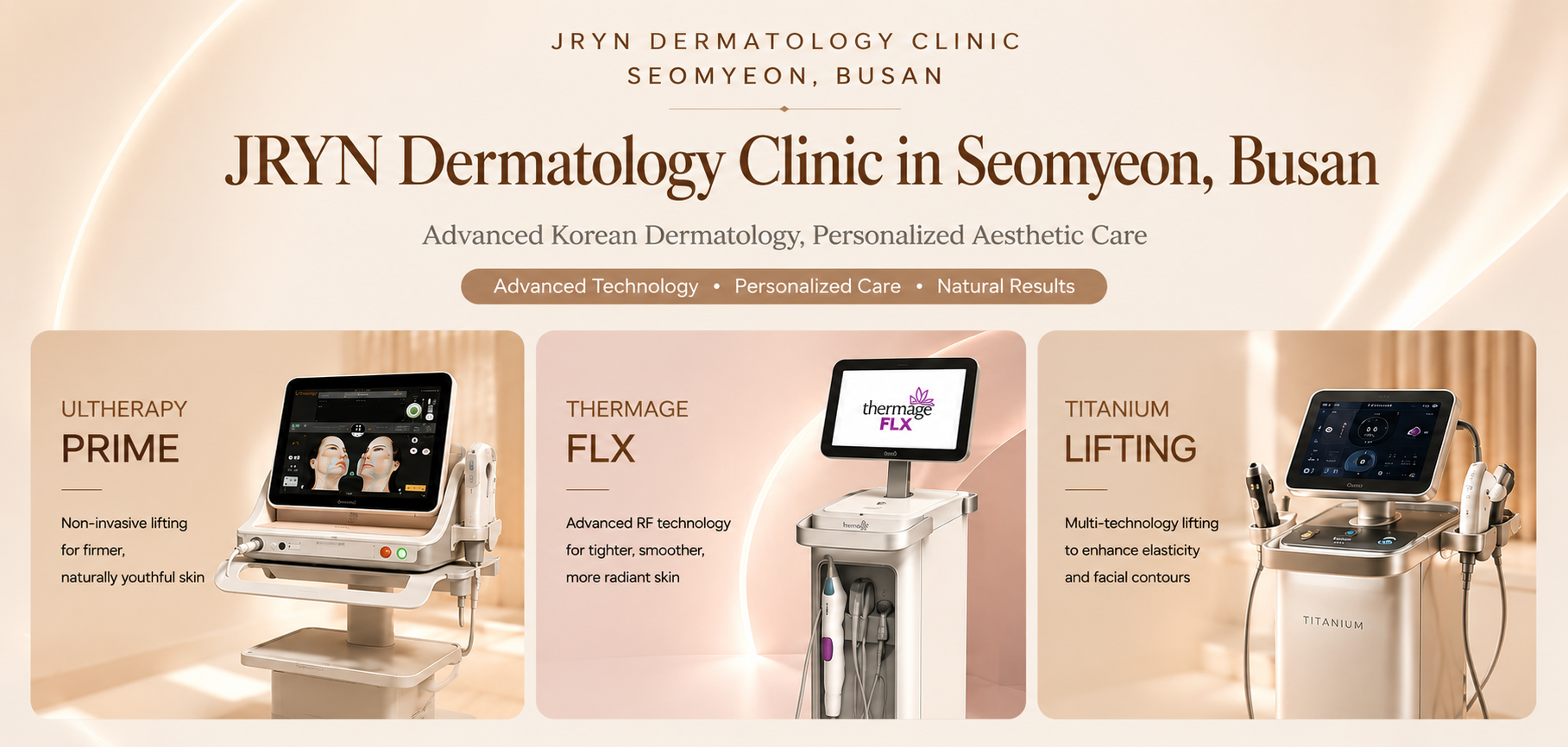
- Lifting treatments (Ultherapy, Thermage, HIFU)
- Pigmentation and melasma management
However, the way clinics operate differs significantly.
- Korea: high-volume, competitive aesthetic market
- Hong Kong: premium, medically focused aesthetic market
- Korea emphasizes accessibility and treatment variety
- Hong Kong emphasizes consultation and medical oversight
Skin Clinics in Korea
Korea has one of the world's most developed cosmetic dermatology industries.
- Extremely high clinic density
- Wide range of pricing tiers
- Strong medical tourism infrastructure
- Easy same-day treatment availability
- Frequent package promotions and combination procedures
Major areas include:
- Gangnam District
- Myeongdong
- Hongdae
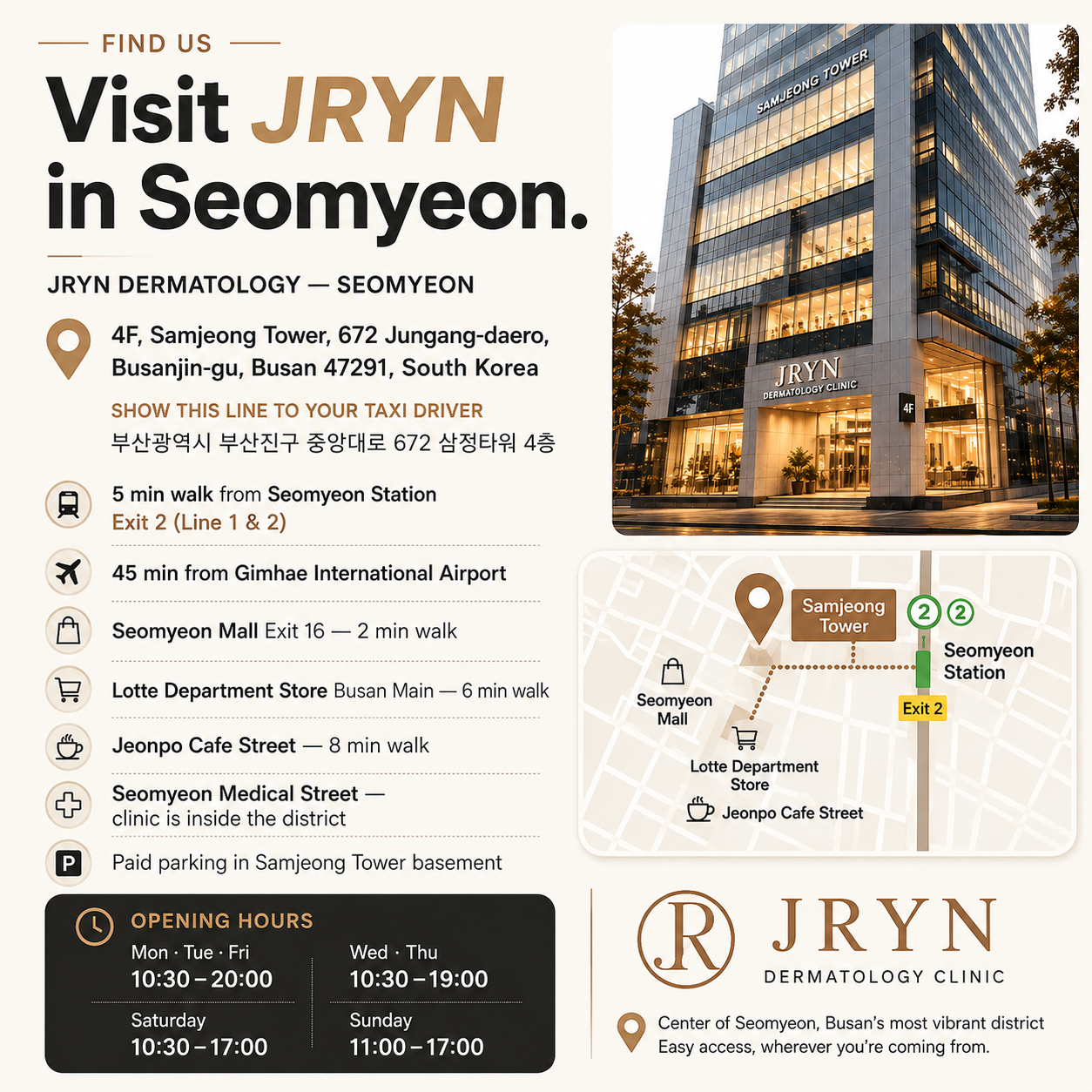
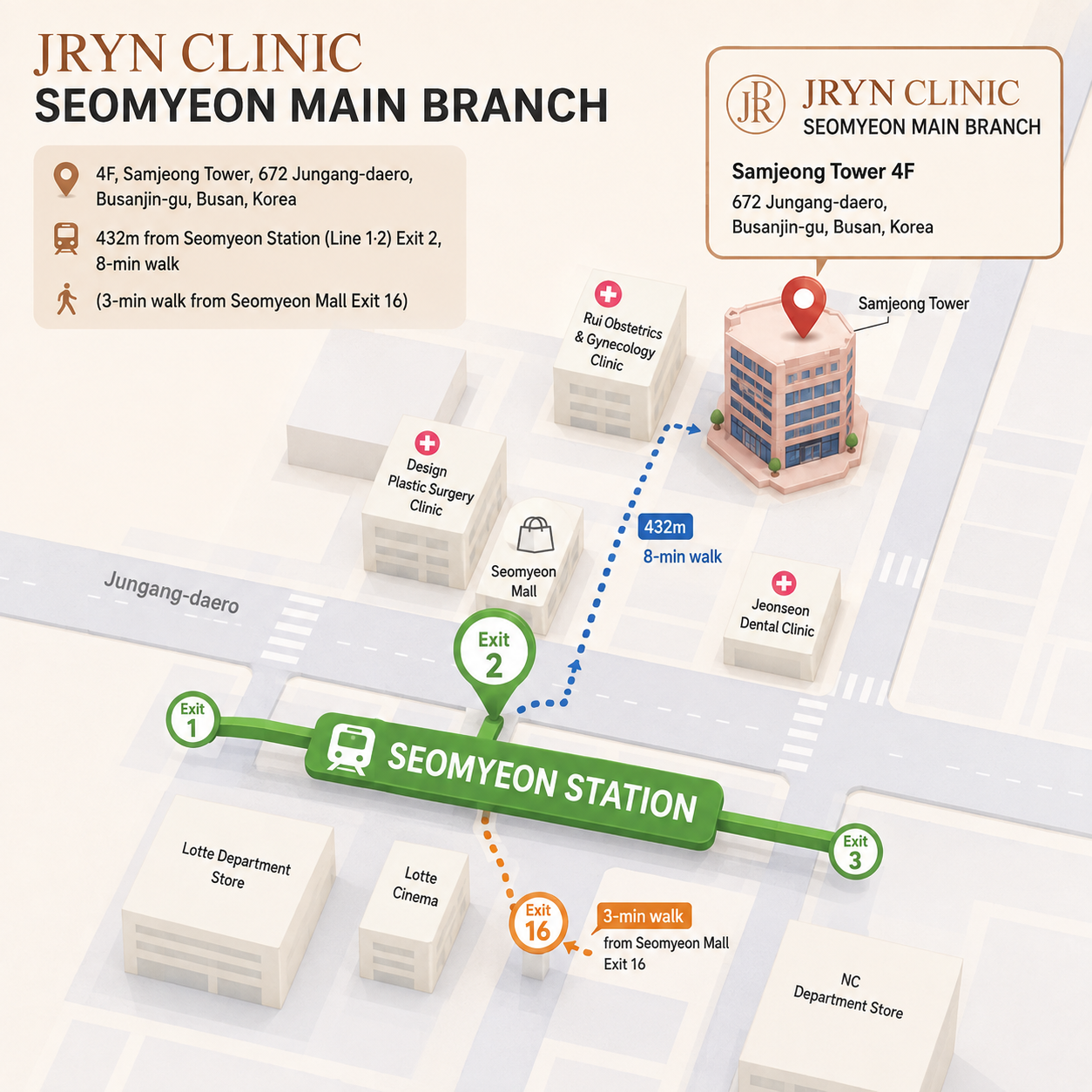
- Seomyeon
Korean clinics often focus on maximizing visible skin improvement through combination treatments.
Skin Clinics in Hong Kong
Hong Kong has a smaller but highly developed aesthetic clinic market.
- Strong physician-led consultation systems
- Premium clinic environments
- More appointment-based treatment flow
- Less emphasis on promotional packages
- Greater focus on long-term maintenance care
Many clinics target professionals seeking subtle anti-aging and skin quality improvement.
Pricing Comparison
Korea
- Laser toning: ₩70,000 – ₩200,000
- Pico laser: ₩100,000 – ₩500,000
- Rejuran: ₩150,000 – ₩500,000
- Botox: ₩30,000 – ₩250,000
- Ultherapy: ₩1,000,000 – ₩3,500,000
Hong Kong
- Laser toning: HKD $800 – $2,500
- Pico laser: HKD $2,000 – $8,000
- Skin boosters: HKD $2,000 – $8,000
- Botox: HKD $1,500 – $6,000
- Ultherapy: HKD $10,000 – $40,000+
Overall:
- Korea is often substantially more affordable
- Hong Kong pricing is generally higher across most categories
Treatment Philosophy Differences
Korea
- Combination treatments are very common
- Faster treatment scheduling
- More aggressive aesthetic improvement strategies
- Focus on visible cosmetic enhancement
Hong Kong
- More conservative treatment planning
- Longer consultation process
- Emphasis on gradual and natural-looking improvement
- Strong focus on medical supervision
Technology and Treatment Variety
Korea
- Rapid adoption of new devices and techniques
- Large variety of skin boosters
- Frequent treatment innovation
- Extensive clinic competition
Hong Kong
- Access to major international technologies
- More selective adoption of newer trends
- Greater emphasis on established treatment protocols
- Less frequent promotional experimentation
Patient Experience
Korea
- Fast-paced clinic environment
- High patient volume
- Easy access to multiple clinic options
- Popular with international medical tourists
Hong Kong
- More private consultation environment
- Lower patient volume
- Longer appointment times
- Popular with professionals and local residents
Who Should Choose Korea vs Hong Kong?
Korea is better if you:
- Want lower treatment costs
- Prefer combination treatment programs
- Want access to the latest aesthetic trends
- Need flexible scheduling during travel
Hong Kong is better if you:
- Prefer a conservative treatment approach
- Want more consultation time before procedures
- Value privacy and lower-volume clinic settings
- Prefer gradual aesthetic improvements
Final thoughts
South Korea and Hong Kong both offer advanced cosmetic dermatology services, but their clinic cultures are very different. Korea focuses on accessibility, innovation, and cost-effective aesthetic treatments, while Hong Kong emphasizes medical oversight, premium service, and conservative treatment planning. The better option depends on whether you prioritize affordability and treatment variety or a more structured and consultation-driven experience.