Korea vs Singapore for Thermage
Korea vs Singapore for Thermage
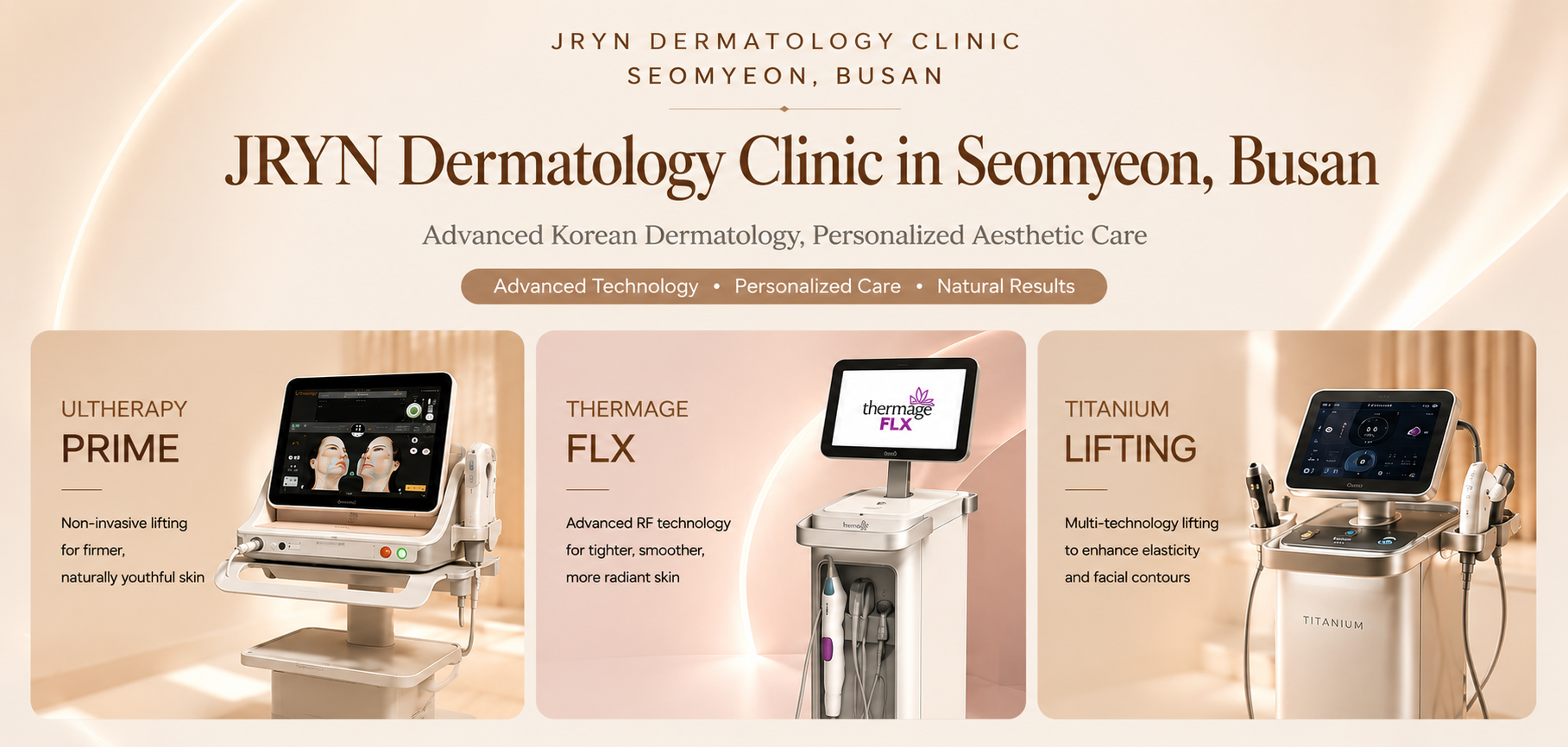
Thermage is a popular non-invasive skin tightening treatment used to improve skin laxity, contour the jawline, and stimulate collagen production. Both Korea and Singapore offer high-quality Thermage FLX treatments, but they differ in pricing structure, clinic style, accessibility, and overall treatment philosophy.
Overview of Thermage in Each Country
Thermage is widely available in both markets, but the clinical environment is different.
- Korea: high-volume aesthetic dermatology system
- Singapore: regulated, premium medical aesthetics market
- Both use FDA-cleared Thermage FLX devices
- Both focus on anti-aging and skin tightening
- Differences lie in pricing, clinic density, and treatment approach
Thermage in Korea
Korea is one of the most active global markets for Thermage due to its strong cosmetic dermatology industry.
- Extremely high clinic density in Seoul and major cities
- Wide range of pricing (budget to ultra-premium clinics)
- Frequent promotional packages and seasonal pricing
- Often combined with HIFU (Ultherapy, Shurink) or skin boosters
- Fast consultation and treatment workflow
Korean clinics often position Thermage as part of a multi-step lifting and skin quality program.
Thermage in Singapore
Singapore has a smaller but highly regulated aesthetic medicine market.
- Fewer clinics offering Thermage compared to Korea
- Strict medical regulations and standardized procedures
- High-quality but limited competition
- Strong focus on safety, consistency, and medical oversight
- More stable pricing structure across clinics
Thermage in Singapore is typically delivered in a more conservative, medical-first environment.
Pricing Comparison
Korea
- Full face Thermage FLX: ₩800,000 – ₩2,500,000
- Face + neck: ₩1,200,000 – ₩3,500,000
- Eye area add-on: ₩400,000 – ₩1,200,000
- Prices vary widely depending on clinic tier and promotions
Singapore
- Full face Thermage: SGD 3,000 – SGD 6,000
- Face + neck: SGD 4,000 – SGD 8,000
- Eye area: SGD 1,500 – SGD 3,000
- Pricing is more stable but significantly higher on average
Overall:
- Korea = more affordable with wider price range
- Singapore = higher, but more standardized pricing
Treatment Style Differences
Korea
- Fast, efficiency-driven consultations
- Often combined with other aesthetic procedures
- Strong focus on visible lifting and contouring
- High patient volume per clinic
Singapore
- More detailed medical consultation
- Conservative treatment planning
- Focus on safety and predictable outcomes
- Lower patient volume per clinic
Clinic Environment and Experience
Korea
- High-density aesthetic districts (Gangnam, Myeongdong, etc.)
- Competitive clinic ecosystem
- Trend-driven aesthetic treatments
- Faster appointment availability
Singapore
- Clean, regulated clinical environment
- Premium medical aesthetic clinics
- Structured appointment systems
- Less promotional variability
Technology and Treatment Standards
Both countries use the same Thermage FLX technology, but application styles differ.
Korea
- Frequent combination with HIFU or skin boosters
- Variable shot counts depending on clinic package
- More experimental combination protocols
Singapore
- Strict adherence to standardized protocols
- Conservative energy settings and treatment plans
- Focus on consistency and safety
Who Should Choose Korea vs Singapore?
Korea is better if you:
- Want more affordable Thermage options
- Prefer fast access and flexible clinic choices
- Are combining multiple aesthetic treatments
- Want a more dynamic aesthetic experience
Singapore is better if you:
- Prefer highly regulated medical environments
- Want predictable, standardized treatment quality
- Value safety and conservative approaches
- Don’t mind higher pricing for stability
Final thoughts
Korea and Singapore both provide high-quality Thermage FLX treatments, but the experience differs significantly. Korea offers greater affordability, variety, and combination treatment options, while Singapore provides a more regulated, conservative, and medically structured environment. The best choice depends on whether you prioritize flexibility and value or consistency and clinical control.